Keratosis Pilaris
I come from a family of Keratosis Pilaris sufferers. Okay maybe we don’t suffer to the true meaning of suffering, but it’s still annoying. I have had keratosis since I was a teenager and I have hated it since then. For some reason I used to that if I dedicated enough time to squeeze all those tiny “pimples” (that’s what I thought they were), I would be free.
Nope, that didn’t work and if you’re familiar with this condition, you know there is no way one could pop and squeeze all those bumps. And even if I could pop them all, I would only make things worse (yes, I’ve popped a few).
What is it and what causes it?
It’s a common skin condition characterized by dry and rough patchy skin, and tiny bumps around hair follicles. It’s estimated that 50% – 70% adolescents and 40% of adults have it. Some people also call it chicken skin.
Some studies suggest that keratosis pilaris is a result of abnormal keratin and dead skin cells build-up caused by coiled hairs that rapture follicle cells which lead to inflammation. Keratin build-up causes the skin to feel dry, rough, and bumpy to the touch.
Most people have this condition on the back of their arms, buttocks, back of legs, back of thighs, front of thighs, and sometimes on the face (mainly cheeks). Because the bumps occur on hair follicles, Keratosis pilaris can occur anywhere on the skin with hair follicles.
During colder months, when the air is dry and there is little humidity, KP can get worse. In general, skin feels drier in the winter months compared to the warmer months. The affected skin gets really dry and itchy and the more you scratch it the worse it gets.
According to research, if you have dry skin, atopic dermatitis, asthma or eczema, you’re more likely to have keratosis pilaris. Additionally, people with diabetes, hypothyroidism, obesity, and Cushing’s syndrome, have a higher chance of having keratosis pilaris. It is also hereditary which means that if someone in your family has it, you could get it too.
Is there treatment for keratosis pilaris?
While there is no known cure for KP, there are some things you can do to make your skin smoother. For some people, it clears out on its own without any intervention. However, for some people, this is not the case. They have to work a little harder to get rid of it.
Since it’s not itchy or painful and most of the time you can just cover it up with clothing, some people choose to ignore it. If you are not the kind of person to ignore it, then read on.
Tips to smooth out Keratosis Pilaris
Like I said earlier, I have struggled with kp ever since I was a teenager. I am in my 30s now and I still have to keep up with my skin regimen to keep it under control. Here is what I do to smooth out my skin:
1. Wash with soap or cleanser
I know that people are told not to take frequent showers when they have dry skin. It simply doesn’t make sense. Taking regular showers will allow you to wash off all the old oils, dirt, and skin, not to mention BO and you will feel fresh. Washing with a cleanser helps remove all that stuff. If you’re not going to use soap or a cleanser, maybe you shouldn’t waste your time.
2. Moisturize with a keratolytic cream
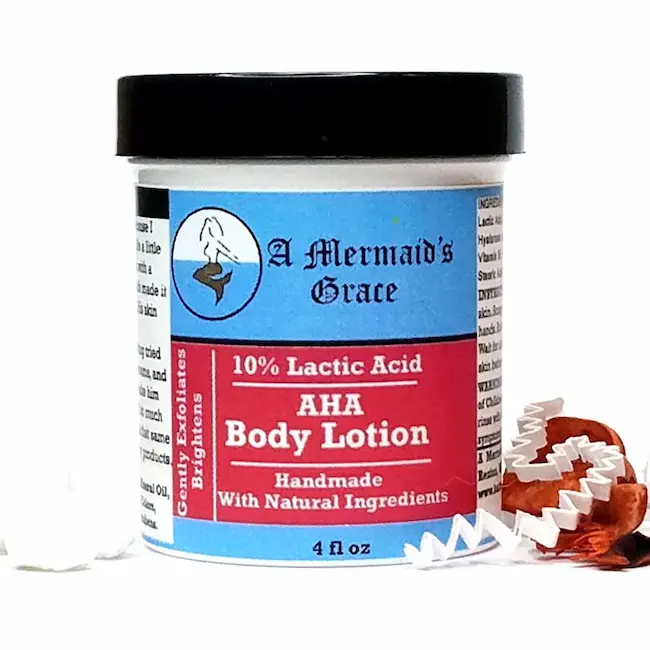
You need a keratolytic moisturizer which will break down the glue between the old hardened skin cells and your new skin cells. AHAs such as Lactic Acid, Glycolic Acid, and BHAs such as Salicylic acid will get this job done. When I first started using lactic acid creams, I started out with 10% strength and then worked my way up to 20% strength. It took sometime for my skin to get used to the lactic acid cream so I alternated for that reason with a regular skin moisturizer for dry skin.
3. Exfoliate - This is a must
Exfoliation is where the magic happens. The lactic acid cream will do all the chemical breakdown of the glue that’s holding the hardened skin cells to your new skin cells. Now, your job is to manually remove the loose skin. It is not a pretty job- it does demand a little bit of your time and a good exfoliating washcloth or whatever you prefer. You only want to remove the skin cells that are already loose.
I use a regular wash cloth. I am not sure why but I feel as though I get more dead skin cells when I use regular wash cloths. Listen, you’ve got to do this once a week. Just plan it out so that you take an extra long shower.
Maybe it’s just me, but seeing all that dead skin on my wash cloth gives me some satisfaction. I know I got some gunk off my skin and it’s going to feel so much better.
Some people use other types of scrubs like sugar scrubs etc. Just make sure you’re not using harsh scrubbing methods, otherwise, you risk irritating your skin and making things worse.
4. Moisturize with moisture intensive cream
After the manual exfoliation, your skin will feel a little sensitive. Do not use any lactic acid cream for a few days. Instead, use a moisture intensive cream that will protect the new exposed skin for a few days or until your skin feels less sensitive.
This is the part where you want to pay attention to what your skin is telling you. You might get excited and feel like you want the results sooner and head straight for the lactic acid cream. Don’t do it. Be patient and you will get the results soon enough.
Final thoughts
Keratosis pilaris will not go away overnight once you really get serious about taking care of it. However, if you keep up with the exfoliation and moisturizing, you’ll be on your way to a smoother skin. Don’t be too fixated on it.
Don’t check on the symptoms every single day. Otherwise, you’re bound to feel discouraged and even depressed. So maybe check on it once a week or so. Find ways to relax your mind. Personally, I find that exercising, listening to good upbeat music, and reading helps me a lot.
Thank you so much for reading
Product recommendations